Affiliate disclosure: some links in this article are affiliate links, which means I may earn a small commission if you buy through them, at no extra cost to you. It never changes what I recommend.
For much of my life, I lived in compartments. There was the professional me, sharp, capable, buttoned-up. There was the personal me, accommodating, forgiving, often giving away too much. And then there was the hidden me, carrying wounds from childhood and a belief that love meant turbulence and drama.
Those pieces didn’t always fit together. They conflicted. At work, I was decisive. At home, I over-forgave. Inside, I doubted myself. I thought that was just the way life worked, fractured into roles and expectations that never quite aligned.
But wholeness isn’t about perfection or having everything figured out. It’s about integration, bringing all parts of yourself into alignment so they work together rather than against each other. Learning how to be whole means recognizing that you don’t have to choose between different aspects of yourself; you can honor them all while creating coherence in how you live.
Understanding True Wholeness
Wholeness isn’t about being complete or perfect, it’s about being integrated. A whole person is someone whose different aspects, experiences, and qualities work together harmoniously rather than competing or contradicting each other.
Psychological research shows that people who experience greater self-integration report higher life satisfaction, stronger relationships, and better stress management. This integration allows for authentic self-expression across different life contexts.
The Components of Wholeness
Self-acceptance: Embracing all parts of yourself, the successful and struggling, the confident and uncertain, the strong and vulnerable, without trying to hide or eliminate any aspect.
Values alignment: Living in ways that reflect your core values across different situations rather than changing who you are based on external expectations.
Emotional integration: Allowing yourself to feel and express the full range of human emotions rather than suppressing “unacceptable” feelings.
Past integration: Finding ways to incorporate difficult experiences and past versions of yourself into your current identity rather than rejecting or compartmentalizing them.
Authentic expression: Being recognizably yourself in different contexts while adapting appropriately to different situations.
Recognizing Fragmentation
Before you can become whole, you need to recognize where fragmentation exists in your life:
Role conflicts: Like my experience of being decisive at work but over-accommodating at home, fragmentation often shows up as dramatically different behaviors in different contexts.
Value contradictions: When your actions in some areas of life contradict your stated beliefs or values.
Emotional compartmentalization: Suppressing certain feelings in some situations while allowing them in others.
Identity confusion: Feeling like you don’t know who you “really” are because different situations bring out such different versions of yourself.
Energy drain: Feeling exhausted from managing different personas or hiding parts of yourself in various situations.
The Path to Integration
Identify your core values: Understanding what truly matters to you provides a foundation for making consistent choices across different life areas.
Examine your different “selves”: Notice how you behave differently in various contexts and consider which behaviors feel most authentic and aligned.
Find the common threads: Look for the underlying qualities that remain consistent across your different roles and expressions.
Practice authentic expression: Gradually bring more of your authentic self into situations where you’ve been hiding or performing.
Address internal conflicts: Work through contradictions between different aspects of yourself rather than just accepting them as permanent.
Wholeness in Relationships
Authentic relationships require wholeness, the ability to show up as your integrated self rather than performing different roles for different people:
Consistent character: Being recognizably yourself across different relationships while honoring the unique dynamics of each connection.
Boundary integration: Setting boundaries that reflect your values rather than changing your limits based on who you’re with.
Emotional honesty: Expressing your authentic feelings appropriately rather than showing only the emotions you think others want to see.
Value-based choices: Making relationship decisions based on your core values rather than fear, guilt, or external pressure.
Like my journey from over-accommodating to requiring respect, wholeness often means bringing your strength into areas where you’ve been giving your power away.
Professional Wholeness
Bringing wholeness to work doesn’t mean sharing every personal detail, but rather ensuring that your professional behavior aligns with your authentic character:
Values-based leadership: Leading and working in ways that reflect your genuine beliefs about how people should be treated and how work should be done.
Authentic communication: Speaking honestly and directly while maintaining professionalism and respect.
Integrated skills: Using your natural strengths and talents rather than trying to be someone you’re not professionally.
Boundary consistency: Maintaining reasonable boundaries around time, energy, and responsibility that align with your overall life values.
Consider how this relates to developing self-discipline and building confidence from an integrated sense of self.
Healing Internal Splits
Sometimes wholeness requires healing old wounds or addressing internal conflicts that create fragmentation:
Childhood conditioning: Examining and updating beliefs about yourself that were formed in childhood but no longer serve your adult life.
Trauma integration: Finding ways to incorporate difficult experiences into your life story without being defined or limited by them.
Shadow work: Acknowledging and integrating aspects of yourself that you’ve rejected or hidden because they seem unacceptable.
Shame healing: Addressing feelings of fundamental unworthiness that cause you to hide parts of yourself or perform for acceptance.
The Role of Self-Compassion
Wholeness requires treating all parts of yourself with kindness and understanding:
Accepting imperfection: Recognizing that wholeness includes flaws, mistakes, and ongoing growth rather than requiring perfection.
Embracing complexity: Understanding that you can be both strong and vulnerable, confident and uncertain, successful and still learning.
Forgiving past selves: Integrating who you used to be without judgment or shame about past choices or limitations.
Allowing growth: Maintaining wholeness while continuing to evolve and change over time.
Wholeness and Spiritual Integration
For many people, wholeness includes integrating spiritual or transcendent experiences with everyday life:
Meaning integration: Finding ways to live your spiritual values in practical, daily situations.
Purpose alignment: Connecting your sense of larger purpose with your daily choices and activities.
Wisdom application: Using insights from meditation, prayer, or spiritual study to inform how you handle life’s challenges.
Service expression: Finding ways to serve others or contribute to something larger than yourself as part of your integrated life.
Obstacles to Wholeness
Several things can prevent the integration that wholeness requires:
Fear of rejection: Worrying that people won’t accept your authentic self, so you continue performing different roles.
Perfectionism: Believing you need to be perfect before you can be whole, rather than understanding that wholeness includes imperfection.
Social pressure: External expectations that encourage you to compartmentalize or hide certain aspects of yourself.
Habit and conditioning: Long-standing patterns of fragmentation that feel normal even when they’re not serving you.
Unresolved trauma: Past experiences that haven’t been integrated and continue to create internal splits.
Creating Wholeness Practices
Regular self-reflection: Examining how aligned your actions are with your values and authentic self across different life areas.
Journaling integration: Writing about how different aspects of your life and personality can work together rather than against each other.
Therapy or counseling: Professional support for integrating difficult experiences or resolving internal conflicts.
Mindfulness practice: Developing awareness of when you’re being authentic versus when you’re performing or hiding.
Values clarification: Regularly revisiting and refining your understanding of what matters most to you.
The Freedom of Wholeness
When you achieve greater wholeness, you experience profound freedom, the freedom to be yourself across different contexts without exhausting yourself through constant performance or compartmentalization.
This wholeness doesn’t mean being inappropriate or insensitive to different situations, but rather bringing your authentic character to all situations while adapting your expression appropriately.
Like my journey from fragmented roles to integrated authenticity, wholeness allows you to bring all your strengths, wisdom, and qualities to every area of your life rather than leaving parts of yourself behind.
Today, choose to be whole. Choose to integrate all aspects of yourself rather than living in compartments. Choose to align your actions with your values across all areas of life, creating coherence between who you are and how you live.
Remember, wholeness isn’t about perfection, it’s about integration. You don’t have to be complete or have everything figured out to be whole. You simply need to bring all parts of yourself into alignment so they work together toward the life you truly want to create.
📚 Make “Today I Choose” Your Daily Practice
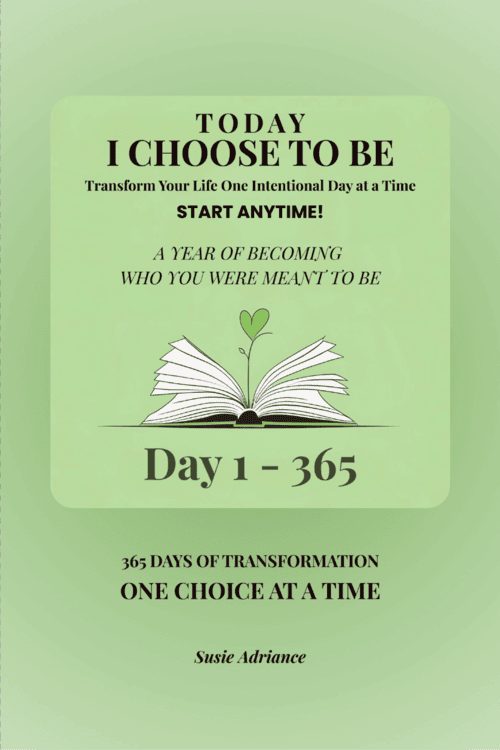
This article is Day 253 from the book “Today I Choose to Be” – A Year of Becoming Who You Were Meant to Be
“Today I Choose to Be” – 365 Daily Intentions →
Practicing whole out loud is what my 365 days of intention is for. 365 attributes, 365 chances to say the word before I live it, and live it before I’ve figured it out.