Affiliate disclosure: some links in this article are affiliate links, which means I may earn a small commission if you buy through them, at no extra cost to you. It never changes what I recommend.
From Daily Affirmations to Life-Changing Vision
When most people hear the word visionary, they picture tech geniuses or world leaders. But sometimes, being visionary is as simple, and as radical, as seeing the bigger picture hidden inside a small idea.
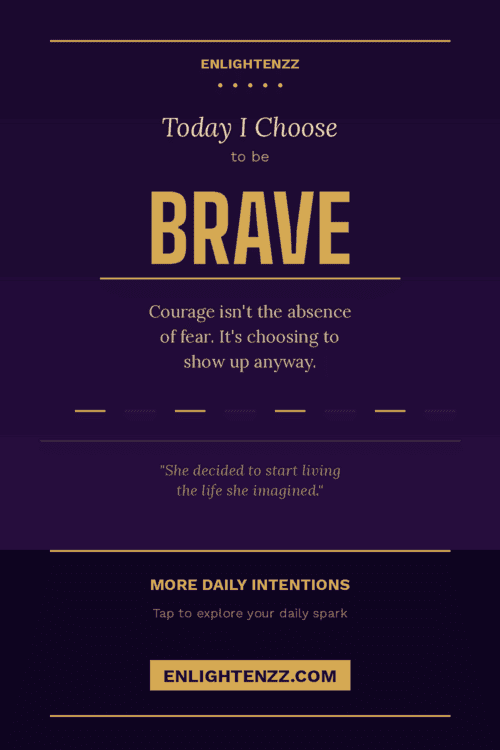
For me, it started with a simple practice: daily affirmations. I wrote short, intentional reminders like “Today I choose to be…” Brave, joyful, patient, creative. At first, they were just words on a page, small anchors for my own day. But then I began to see something bigger. What if these daily choices could become a calendar? What if they could live not just on my desk, but in the hands of women everywhere who needed a little light each morning?
That vision pulled me into entirely new territory, designing layouts, choosing fonts and colors, learning the ins and outs of KDP publishing. But it didn’t stop there. I saw beyond the calendar into books, reflection prompts, companion journals, and even fillable PDFs. What began as scattered affirmations became a whole ecosystem of products, reflections, and creative expression, something that could grow year after year.
The challenge was holding onto that vision when the details felt overwhelming. My eyes burned from late nights in Canva, my shoulders ached from hours at the computer, and sometimes the blank page mocked me. But the vision kept whispering: This is bigger than you. Keep going.
What Being Visionary Really Means After 50
Being visionary doesn’t require predicting the future or inventing groundbreaking technology. It means seeing possibilities that others might miss, recognizing patterns and connections, and having the courage to act on insights that feel important even when they’re not yet fully formed.
Research from Harvard Business School shows that successful visionaries share common traits: they’re able to see systems rather than just individual components, they can imagine how small changes might create large impacts, and they’re willing to invest time and energy in possibilities that others might dismiss as insignificant.
For women over 50, visionary thinking has unique advantages. We have enough life experience to recognize authentic needs and viable solutions, enough perspective to see long-term patterns, and often enough independence to pursue visions that matter to us personally.
Five Elements of Practical Visionary Thinking
1. See the Ecosystem, Not Just the Product
What transformed my simple daily affirmations into a vision was seeing how one thing could connect to another. The calendar could inspire books. The books could inspire journals. The journals could inspire online communities. Visionary thinking sees systems and connections, not just isolated ideas.
Develop ecosystem thinking by:
- Asking “What else could this become?” about projects or ideas you’re working on
- Looking for connections between seemingly unrelated interests or skills
- Considering how one solution might address multiple related problems
- Imagining how your idea might evolve or expand over time
2. Start Small, Think Big
My vision began with personal affirmations, the smallest possible start. But visionary thinking means recognizing when something small has big potential. You don’t have to launch with the full vision; you can begin with one piece and let the rest unfold.
Practice scalable visioning through:
- Beginning with versions you can actually create rather than waiting for the perfect implementation
- Testing small experiments to see what resonates before expanding
- Building foundational elements that can support future growth
- Staying flexible about how your vision might evolve as you learn more
3. Listen for What’s Missing
The vision for Today I Choose emerged from recognizing something that didn’t exist but was needed: daily intentional choices specifically designed for women navigating life after 50. Visionary thinking often starts with noticing gaps or unmet needs.
Tune into missing elements by:
- Paying attention to frustrations you and others experience repeatedly
- Noticing what you wish existed but can’t find anywhere
- Listening to conversations where people say “Someone should create…” or “Why isn’t there…?”
- Considering how your unique experience might address problems others haven’t solved
4. Trust the Process, Not Just the Plan
Those late nights in Canva and hours of learning new software weren’t in my original plan, they emerged as the vision unfolded. Visionary thinking requires trusting that the process will teach you what you need to know, even when you can’t see all the steps ahead.
Develop process trust through:
- Taking action on partial visions rather than waiting for complete clarity
- Learning new skills as they become necessary rather than trying to master everything upfront
- Adjusting your approach based on what you discover along the way
- Viewing obstacles as information that helps refine your vision
5. Balance Vision with Execution
Vision without execution remains just a dream. The bridge between my daily affirmations and the Today I Choose ecosystem was consistent action, designing pages, writing content, learning new skills, publishing consistently.
Bridge vision and execution by:
- Breaking large visions into specific, actionable next steps
- Setting regular creation or progress schedules rather than waiting for inspiration
- Celebrating small implementations that move you closer to the full vision
- Staying connected to the larger purpose when daily tasks feel mundane
When Vision Feels Too Big
There were moments when the vision felt overwhelming, too big, too complex, too far beyond my current skills. The whisper “This is bigger than you” was both inspiring and intimidating. But I learned that visionary thinking doesn’t require you to be equal to your vision from the beginning. It requires you to grow into it.
The most meaningful visions often feel slightly impossible at first. That’s not a sign you should abandon them, it’s a sign they’re worth pursuing.
Visionary Thinking as Service
Being visionary, I’ve learned, isn’t about inventing something flashy. It’s about seeing possibility where others might see “just a quote” or “just a page,” and then daring to bring it into the world.
The most fulfilling aspect of bringing this vision to life has been watching women connect with the daily choices, seeing how the simple practice impacts their days, and knowing that something that started as personal affirmations now serves thousands of women.
Your visionary thinking isn’t just about personal fulfillment, it’s about recognizing solutions, connections, and possibilities that could serve others in ways you haven’t even imagined yet.
Your Visionary Practice Today
Look at something small in your life, a practice, a skill, an interest, a solution you’ve created for yourself. Ask: “What else could this become? Who else might this serve? How could this grow?”
Don’t worry about having the full vision immediately clear. Start by paying attention to the whispers of possibility, the connections that intrigue you, the “what if” questions that won’t go away.
Take one small action today toward a bigger possibility, it might be sketching an idea, researching a connection, or simply spending time imagining how something could evolve.
Remember: you don’t have to be a tech genius or world leader to be visionary. You just have to be willing to see possibility where others might see only what currently exists, and then be brave enough to take steps toward making that possibility real.
Your vision matters not just for what it might become, but for how it stretches you to grow into the person who can bring it to life.
🌟 Continue Your Journey:
- Today I Choose to be Unrestricted
- Today I Choose to be Committed
- Today I Choose to be Unattached
- Today I Choose to be Enchanted
- Today I Choose to be Regulated
📚 Get the Book: “Today I Choose to Be” – 365 Daily Intentions
For all my corporate pedigree, visionary is still something I fumble. My 365 Daily Intentions is where I admit that on the page, 365 attributes, all of them still in progress.